Researchers and thought leaders for years have successfully worked to debunk the theory of the Lone Genius. Most if not all of the world's greatest innovations were team efforts. Yes, there may have been a charismatic or driven leader or a particularly intelligent lead engineer or scientist on board, but the results of innovation are co-created. The world we know today has been made by many hands working together.
But then we go to the office and, for some reason, we lose perspective. We enter environments where collaboration is praised publicly but competition quietly shapes the culture underneath. This leads us to over-function. We stay late fixing problems ourselves because it feels faster than asking for help. We silently resent team-mates who think differently than we do. We begin to believe that collaboration is mostly a liability—a necessary inconvenience standing between us and meaningful progress. Over time, we stop seeing teams as places of belonging and more as obstacles to our individual performance.
But human beings did not always see things this way. We are here today because we decided to come together. We chose not to hunt alone or to gather on our own. It was by coming together we figured out crops, irrigation, domestication, construction, engineering, and so much more. To make our ancestors' dreams come true—the ones we live out every day—our forebears had to engage with other human beings.
People do let us down.
We sometimes pay heavily for someone's ego trip. Deadlines creep up as we often meander through mediocrity. The list of imperfections and infractions in working with others is nearly endless. But the mess is simply part of the disarray of making something greater than ourselves. In our digital world, we have become too comfortable with cutting off people who we dislike, disagree with, or are simply disinterested in. All with a few swipes of our finger, we can silence different perspectives and then hide ourselves away behind blue lit screens to order anything we need to come to us without needing another human being at all. The result of all this technological progress is strange: We are more digitally connected than any generation in history, yet many of us move through work and life profoundly alone.
And maybe that is why teamwork feels so exhausting now. Not because human beings are incapable of collaboration, but because so many of us have forgotten how to safely belong to one another. Because real teamwork requires vulnerability. It requires admitting uncertainty, sharing unfinished ideas, listening without defensiveness, and allowing ourselves to be changed by other people. Modern life conditions us toward curation instead of connection. We build personal brands instead of shared stories. We optimize ourselves while quietly starving for community.
The more primal truth is the dream was never individual achievement in the first place. After all, what do most of us actually want when we imagine a meaningful life? Not applause. Not status. Not another lonely promotion. We want to build something that matters, alongside people who matter to us. We want to feel seen, needed, and trusted. We want shared struggle and shared celebration.
Perhaps that is why isolation hurts us so deeply. Human beings were never designed to carry meaning alone.
This is also why I have become so passionate about LEGO® SERIOUS PLAY® methods.
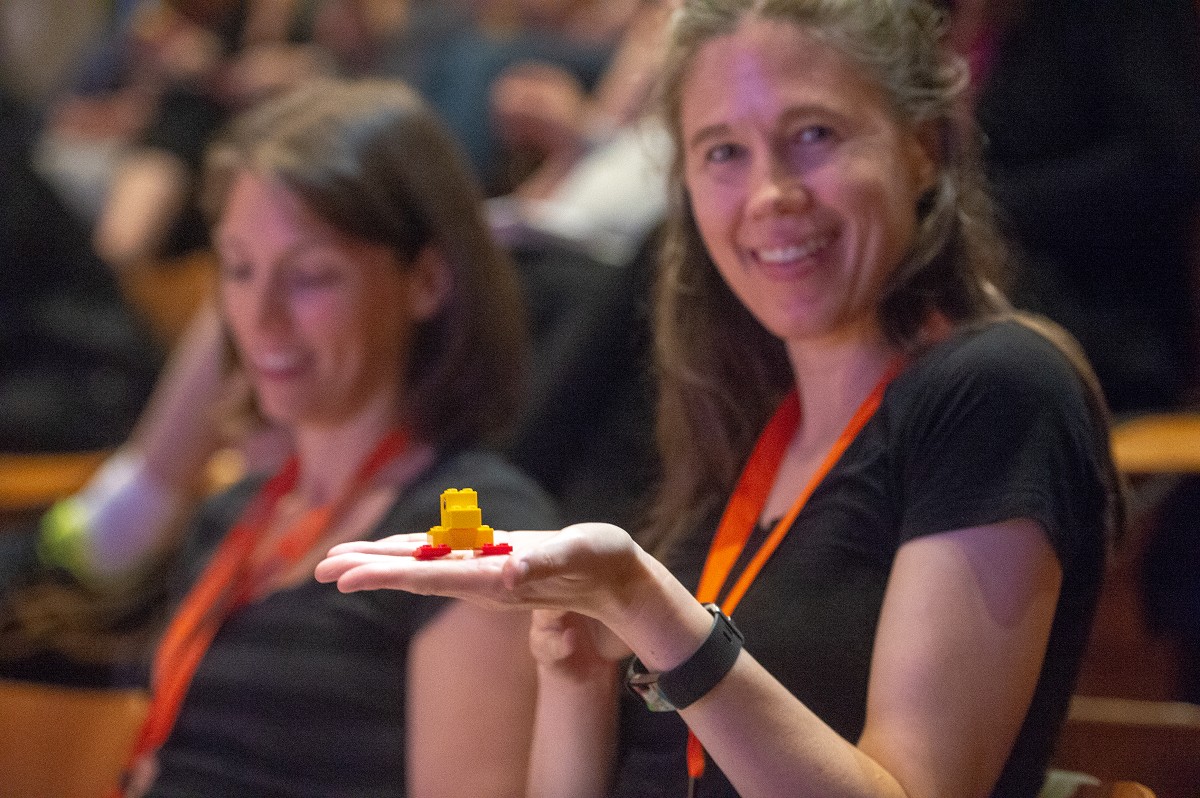
At first glance, it looks deceptively simple: adults sitting around a table building with LEGO bricks. But something remarkable happens when people begin building metaphors with their hands and sharing stories instead of polished corporate answers.
Walls soften. Hierarchies flatten. People who normally stay quiet begin contributing. Teams stop performing collaboration and start experiencing it.
What emerges is not childish play, but something profoundly human: shared imagination. And shared imagination has always been the foundation of collective progress. Every city, company, movement, and family culture began as a story people decided to believe in together.
Submitted by: LSP Master Facilitator and Trainer: Matthew Jones